The Girl Opened the Old Yearbook and Found a Page That Had Been Carefully Cut Out—And When She Asked Who Had Disappeared from the Photo, the Entire Reunion Went Silent.94

THE GIRL OPENED AN OLD YEARBOOK AND FOUND A PAGE CAREFULLY CUT OUT
She asked who had disappeared from the photo, and the whole class reunion went silent. The principal said the person had transferred schools—but a handwritten date on the back of the photo made his face change. Just when everyone thought the secret would be buried again, the gym door opened.
👇 Continue to Part 2, because when the door opened, the person standing there was someone everyone at the reunion had agreed never to mention.
#FictionalStory #YearbookSecrets #ClassReunion #HiddenTruth
**Title: **
The yearbook was old and fragile. Its cover was faded, its pages yellowed at the edges. It smelled of dust and time and the faint perfume of a high school that no longer existed. Linh had found it in a box in her mother’s attic—a box labeled “Class of 1998” that had not been opened in twenty-five years.
She had not meant to open it. She had been looking for something else—a photograph, a letter, some trace of the girl she used to be. But the yearbook had been sitting there, on top of everything else, and she had picked it up without thinking.
She flipped through the pages. The faces were young and hopeful. The hairstyles were outdated. The clothes were a time capsule of a decade she had almost forgotten. She saw her own face—younger, thinner, with a smile that did not quite reach her eyes. She saw her friends—the ones she had laughed with, the ones she had cried with, the ones she had lost touch with.
And then she saw the page.
It was near the back of the yearbook, in the section dedicated to the graduating class. It was a two-page spread—a collage of photographs and quotes and memories. But one of the photographs had been cut out. Not torn. Not ripped. Cut. Carefully, precisely, with a sharp blade. The space where the photograph had been was empty—a white rectangle against the yellowed page.
Linh stared at the empty space. She did not know why it bothered her. She did not know why it felt important. But it did.
She turned the page over. On the back was a handwritten date. It was small, almost invisible—a few numbers scrawled in the corner. *May 15, 1998.*
She did not recognize the handwriting. She did not know what the date meant. But she knew, somehow, that it mattered.
—
**The Reunion**
The reunion was held in the old gymnasium. It was the same gymnasium where Linh had played basketball, where she had attended pep rallies, where she had danced at prom. It was the same gymnasium where everything had happened.
She had not wanted to come. She had not wanted to see the faces, to hear the stories, to remember. But she had come anyway. Because she needed to know.
The gym was filled with people. Some of them she recognized. Some of them she did not. They had all grown older—greyer, heavier, tired. They had all moved on. They had all built lives. They had all tried to forget.
Linh walked through the crowd. She smiled when people smiled at her. She nodded when they asked how she was. She made small talk. She pretended that everything was fine.
And then she saw the yearbook.
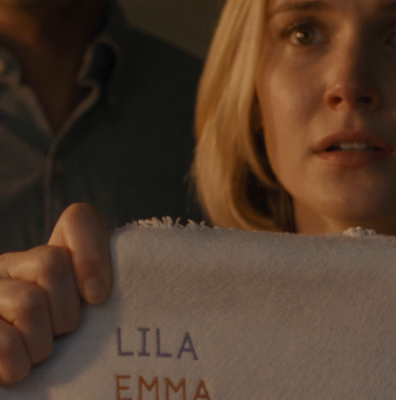
It was sitting on a table near the entrance—a display of old memorabilia, old photographs, old memories. Linh picked it up. She flipped to the page with the cut-out photograph.
She held it up.
“Who was supposed to be here?” she asked.
The room went silent.
—
**The Silence**
People turned to look. Some of them frowned. Some of them looked confused. Some of them looked away.
“What do you mean?” someone asked.
“This photograph. It was cut out. Who was supposed to be here?”
The principal—the old principal, the one who had been in charge when Linh was a student—stepped forward. He was old now, bent and grey. He had come to the reunion as a guest of honor.
“That photograph was removed for a reason,” he said.
“What reason?”
“It’s not important.”
“I think it is.”
The principal looked at her. His eyes were tired. His face was lined. But there was something else in his expression—something that looked like fear.
“The student in that photograph transferred schools,” he said. “She moved away. She did not want to be remembered.”
“Then why was the date written on the back? May 15, 1998. What happened on that date?”
The principal’s face went pale.
“I don’t remember.”
“I think you do.”
—
**The Door Opens**
The door to the gymnasium opened.
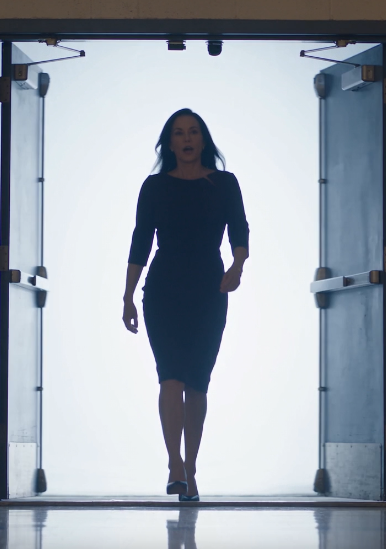
A woman stepped inside. She was in her late forties—thin, with dark hair streaked with grey. She wore a simple dress and carried a small bag. She did not look like a stranger. She looked like someone who had been there before.
“I remember,” she said.
The room turned to look at her. Some of them recognized her immediately. Some of them took a moment longer. Some of them did not recognize her at all.
“My name is Mai,” she said. “I was supposed to be in that photograph.”
—
**The Story**
Mai walked to the center of the room. She did not raise her voice. She did not cry. She simply stood there and told her story.
“I was a student here. I was a good student. I got good grades. I had friends. I was happy.”
She paused.
“And then I reported something. Something that was happening. Something that the school did not want to talk about.”
She looked at the principal.
“I reported bullying. Serious bullying. Bullying that had gone on for years. Bullying that had driven other students to leave. Bullying that had driven one student to attempt suicide.”
The room was silent.
“I reported it because I thought it was the right thing to do. I thought the school would help. I thought the adults would listen. I thought they would protect the students who were being hurt.”
She paused again.
“But they didn’t. They protected themselves. They protected the school’s reputation. They protected the students who were doing the bullying—because their parents were donors, because their families were important, because it was easier to ignore the problem than to face it.”
She looked at the principal.
“And then they blamed me. They said I had made it up. They said I was causing trouble. They said I was the problem.”
—
**The Principal’s Confession**
The principal stepped forward. His hands were shaking. His face was pale.
“I was young,” he said. “I was new. I didn’t know what to do.”
“You knew,” Mai said. “You knew what was happening. You knew what was right. But you chose to protect the school instead of the students.”
“I was afraid.”
“Afraid of what?”
“Afraid of losing my job. Afraid of losing my reputation. Afraid of the parents who threatened to sue if I did anything.”
“So you erased me instead.”
“I didn’t erase you.”
“You cut my photograph out of the yearbook. You removed my name from the records. You told everyone I had transferred. You made me disappear.”
The principal did not answer.
“You made me disappear,” Mai repeated. “Because it was easier than telling the truth.”
—
**The Apology**
The principal bowed his head.
“I am sorry,” he said.
“I don’t want your apology.”
“Then what do you want?”
“I want the school to release the records. I want them to admit what happened. I want them to listen to the students who were ignored.”
She paused.
“And I want the other students who were silenced to know that they are not alone.”
The room was silent.
And then another voice spoke.
—
**The Other Story**
A woman stood up from the back of the room. She was in her fifties—quiet, unassuming, with grey hair pulled back in a bun.
“I was a student here too,” she said. “And I have a story I never told.”
She walked to the front of the room. She stood beside Mai.
“I was bullied. For years. I was pushed into lockers. I was called names. I was isolated. I was told that no one would believe me if I spoke up.”
She paused.
“So I didn’t speak up. I kept quiet. I pretended everything was fine. I graduated. I moved away. I tried to forget.”
She looked at the principal.
“But I never forgot. And when I heard what Mai was doing—when I heard she was still fighting—I knew I had to come.”
She looked at the crowd.
“If you were bullied, you are not alone. If you were ignored, you are not alone. If you were silenced, you are not alone.”
She paused.
“We are not alone.”
—
**The Reckoning**
The reunion did not end the way anyone expected. There was no music. There was no dancing. There was no celebration.
But there was truth.
The principal admitted what he had done. He admitted that he had erased Mai’s name from the records. He admitted that he had cut her photograph from the yearbook. He admitted that he had lied to the other students.
He agreed to release the records. He agreed to make a public statement. He agreed to listen.
The school agreed to create a new policy—a policy that would protect students who reported bullying. A policy that would hold bullies accountable. A policy that would not allow another student to be erased.
And Mai and the other woman—the one who had stood up—agreed to lead the effort.
They did not do it for revenge. They did not do it for recognition. They did it because they had been silenced. They did it because they had been erased. They did it because they did not want it to happen to anyone else.
—
**The Lesson**
Never let someone else decide who is allowed to be remembered. Never let a lie become the truth. Never let fear keep you from speaking.
Mai almost stayed silent. She almost accepted the erasure. She almost let the principal bury the truth.
But she came back. She stood up. She spoke.
And because she spoke, someone else found the courage to speak too.
Because sometimes the bravest thing you can do is come back to the place that hurt you—and tell the truth.
Mai did. And the room went silent.
And then, finally, the truth was heard.