The Housekeeper Placed the Key to the Locked Room on the Dining Table—And the Granddaughter Picked It Up Before Anyone Could Stop Her.96

THE HOUSEKEEPER PLACED THE KEY TO A ROOM LOCKED FOR TWENTY YEARS ON THE DINING TABLE
The head of the family demanded she leave, but his granddaughter took the key and walked to the door. Inside, everything had been preserved—and a music box was playing a melody no one admitted to winding. On the table lay a freshly written note, even though the room had supposedly been untouched for years.
👇 Continue to Part 2, because when the granddaughter read the note aloud, it was addressed to her—and dated that same morning.
#FictionalStory #FamilySecrets #LockedRoom #HiddenTruth
The key was old and tarnished, the kind of key that opened a door no one had opened in years. The housekeeper, Mrs. Henderson, set it on the dining table with both hands, the way you set down something that does not belong to you. The family was gathered for dinner—three generations, all seated around the long mahogany table, all staring at the key.
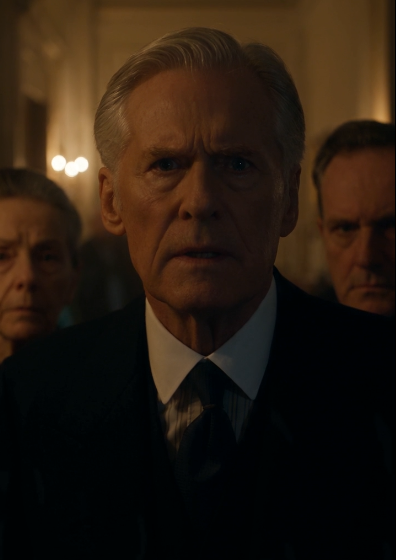
“What is this?” Richard asked. He was the head of the family—a stern man in his seventies with silver hair and a voice that had never learned to be soft.
“It’s the key to the room at the end of the hallway,” Mrs. Henderson said. “Your wife asked me to keep it. She asked me to give it to someone who needed to open it.”
“Who?”
“I don’t know. She only said I would know when the time came.”
Richard stood up. His chair scraped against the floor. “You should leave. Now.”
But before Mrs. Henderson could move, his granddaughter Emily reached across the table and picked up the key.
“What are you doing?” Richard demanded.
Emily did not answer. She walked to the hallway. She walked to the door at the end of it—the door that had been locked for twenty years, the door that no one had ever talked about.
She put the key in the lock.
She turned it.
—
**The Room**
The door opened with a soft click. Emily stepped inside. The room was dark, but she could see the shapes of furniture—a bed, a desk, a bookshelf, a window covered with heavy curtains. The air was still and heavy, the way air is in a room that has been closed for a long time.
She found the light switch. She turned it on.
The room was exactly as it had been left. The bed was made. The desk was tidy. The bookshelf was filled with books. But there was a thin layer of dust on everything—a quiet testament to the years that had passed.
And then she heard the music.
It was coming from a small wooden box on the desk—a music box, the kind that played a delicate melody when you opened the lid. But the lid was closed. And no one had touched it.
The melody was familiar. Emily did not know why. She had never heard it before—or at least, she did not remember hearing it. But something in her chest tightened when she listened to it. Something that felt like grief.
She walked to the desk. Beside the music box was a piece of paper—new paper, clean paper, the kind that had not been in the room for twenty years. On it was a handwritten message.
*I kept this room for you. I never stopped hoping you would come home. I am sorry for everything.*
*Dad*
Emily stared at the paper. Her hands were shaking.
She turned to the bookshelf. She pulled at the drawers. One of them was locked. She found a second key hidden inside the music box. She opened the drawer.
Inside were letters. Dozens of them. All in the same handwriting.
She picked one up. It was dated eighteen years ago.
*Dear Dad,*
*I am sorry. I am so sorry. I know you blame me. I know you think I broke the family. But I didn’t do it. I didn’t. Please believe me.*
*I want to come home. I want to explain. I want to see you. I want to see Mom. I want to see Emily. I want to be part of the family again.*
*Please. Just let me come home.*
*Your daughter,*
*Sarah*
—
**The Truth**
Emily sat on the floor with the letters. She read every single one. There were dozens—some written a few months after Sarah left, some written years later, some written just a few weeks before their father died. All of them were addressed to Richard. All of them were stamped. All of them were unopened.
Sarah had not left the family. She had been forced out. And she had spent twenty years trying to come back.
Emily walked back into the dining room. She held the letters in her arms. She placed them on the table in front of her grandfather.
“What is this?” she asked.
Richard did not answer.
“Why didn’t you open these?”
Richard looked at the letters. His face was pale. His hands were shaking.
“I couldn’t.”
“Why not?”
“Because I was wrong.”
“You were wrong about what?”
“I was wrong about everything.”
—
**The Confession**
Richard sat down. He buried his face in his hands.
“Your aunt Sarah did not break the family,” he said. “I did.”
Emily stared at him. “What do you mean?”
“It was my fault. The money that was lost. The company that failed. It was my fault. But I blamed her. I told everyone she was the one who did it. I told everyone she stole from us. I told everyone she was the one who destroyed everything.”
“Why?”
“Because I was ashamed. Because I couldn’t admit that I had failed. Because it was easier to blame someone else than to take responsibility.”
“So you blamed Aunt Sarah.”
“Yes.”
“And then you sent her away.”
“Yes.”
“And you never let her come back.”
“I was afraid.”
“Afraid of what?”
“Afraid of the truth. Afraid of what people would think. Afraid that if anyone found out what I had done, I would lose everything.”
“And you did anyway.”
Richard did not answer.
—
**The Search**
Emily did not wait for her grandfather to say anything else. She picked up the letters. She took the music box. She walked to the door.
“Where are you going?” Richard asked.
“To find Aunt Sarah.”
“You don’t know where she is.”
“I’ll find her.”
“She might not want to see me.”
“She wrote you twenty years of letters. She wanted to see you.”
Richard did not answer.
Emily walked out of the house. She got in her car. She drove.
She spent the next three weeks searching. She called every old phone number she could find. She visited every old address. She asked every old friend and neighbor and distant relative.
And then she found her.
Sarah was living in a small apartment in a town three hours away. She was working as a seamstress—a skill she had learned from her mother. She was living alone. She was lonely.
She opened the door when Emily knocked. She looked at her niece—the girl she had not seen since she was a baby.
“Emily?” she whispered.
“Aunt Sarah?”
They stood in the doorway for a long moment. Then Sarah reached out and pulled Emily into a hug.
“You look just like your mother,” she said.
“You look just like the photographs,” Emily said.
—
**The Reunion**
Emily told Sarah everything. She told her about the locked room. She told her about the key. She told her about the letters. She told her about the music box.
Sarah listened. She did not cry. She had cried too many times already.
“I wrote those letters for years,” she said. “I wrote them to every address I could find. I sent them to everyone I could think of. I never heard back.”
“He never opened them.”
“I know.”
“How do you know?”
“Because he never wrote back. Because he never called. Because he never even tried.”
Emily took out the music box. She opened it. The melody filled the room.
Sarah reached out and touched the box.
“Your mother used to sing this to me when I was little,” she said. “She sang it to me every night before I went to sleep.”
“Did she sing it to me?”
“Yes.”
Emily listened to the melody. She felt something she had not felt in years—something that felt like home.
—
**The Return**
Emily brought Sarah back to the house. The family was gathered in the living room. Richard was sitting in his chair, staring at the door.
When Sarah walked in, he stood up.
“I’m sorry,” he said. “I’m sorry for everything. I’m sorry for blaming you. I’m sorry for sending you away. I’m sorry for the letters. I’m sorry for everything.”
Sarah looked at him. She did not smile. She did not forgive him. Not yet. Maybe not ever.
But she did sit down. She did open the music box. She did tell the family about the room, the key, the letters.
And the family—the whole family—listened.
—
**The Healing**
They did not fix everything that day. They did not fix everything that week. They did not fix everything that month. But they started.
Sarah moved back into the room at the end of the hallway. She replaced the curtains. She put new flowers on the desk. She played the music box every night before she went to sleep.
Emily visited every week. She brought her grandfather. She brought her mother. She brought her own children.
The room was no longer locked. The door was open. The family was whole.
And the music box played on.
—
**The Lesson**
Never let someone else decide who is allowed to be part of the family. Never let a lie become the truth. Never let fear keep you from opening the door.
Emily almost listened to her grandfather. She almost left the key on the table. She almost walked away.
But she picked it up. She opened the door. She read the letters.
And she found her aunt.
Because sometimes the bravest thing you can do is open a door that has been closed for twenty years.


