She Placed the Empty Jewelry Box on the Kitchen Table and Asked, “Where Is My Mother’s Pearl Necklace?”—Then the Nanny Pointed to the Baby Camera and Said, “Check Tuesday. 2 A.M.”137

**Title: **
The kitchen was quiet except for the hum of the refrigerator and the distant sound of children playing in the backyard. Natalie stood at the table, her hands trembling, staring at the empty jewelry box. It was small, velvet-lined, the kind that had held the same pearl necklace for thirty years. Her mother had worn it on her wedding day. She had worn it on every special occasion. She had pressed it into Natalie’s hands the day before she died.
It was the only thing Natalie had left of her.
“Ana,” she said, her voice tight. “Where is my mother’s pearl necklace?”
Ana stood by the sink, drying her hands on a dish towel. She was thirty-four years old, with dark hair pulled back in a bun and eyes that had seen too much to be easily frightened. She had been working for the family for two years. She had cared for the children. She had cooked their meals. She had stayed late when Natalie needed her. She had never given any reason to be distrusted.
“I never opened that box,” Ana said.
Behind Natalie, her husband Mark stepped forward. He crossed his arms. His voice was calm, almost bored.
“Call the police. There’s only one person in this house who could have taken it.”
Natalie’s eyes filled with tears. “I trusted you with my children.”
Ana did not flinch. She simply pointed to the baby monitor on the shelf—the small camera that watched the nursery, the one that recorded every night.
“Check the camera. Tuesday. 2 a.m.”
Mark’s face twitched. “That camera doesn’t record at night.”
But it did.
—
**The Footage**
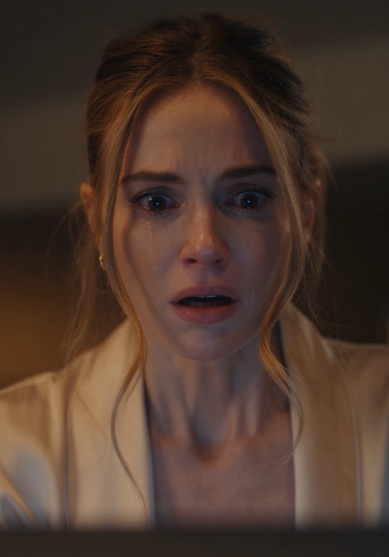
Natalie opened her laptop. She pulled up the camera app. She scrolled back to Tuesday. She pressed play.
The footage was grainy, black and white, but clear enough. The nursery was dark. The children were asleep. And then a figure appeared in the doorway.
A tall man. Grey sweater. The same sweater Mark was wearing now.
He walked to the closet. He opened the safe. He reached inside. He pulled out the jewelry box. He opened it. He took the pearl necklace. He put it in his pocket. He closed the safe. He walked out.
Natalie stared at the screen. Her hands were shaking.
“Mark?”
Mark did not answer.
Ana reached into her pocket. She placed a small envelope on the table.
“I found this in his car,” she said. “While I was cleaning the children’s car seats.”
Natalie opened the envelope. Inside was a pawn ticket. Dated March. The description: *Pearl necklace, 18-inch, gold clasp.*
“There are more,” Ana said. “He’s been pawning your jewelry for months. He replaces them with fakes. The pearl necklace was the only one he hadn’t replaced yet. That’s why he blamed me.”
—
**The Truth**
Mark was the chief financial officer of a large company. He wore expensive suits. He drove a luxury car. He lived in a beautiful house. He looked like a success.
He was not.
He had a gambling problem. He had been betting on sports for years—small bets at first, then larger ones, then bets he could not afford to lose. By March, he was over three hundred thousand dollars in debt. He had borrowed from the wrong people. He had run out of options.
So he had started pawning his wife’s jewelry.
First the diamond earrings. Then the ruby bracelet. Then the emerald ring. He had replicas made. He put them back in the box. Natalie never noticed.
But the pearl necklace was different. It was too valuable. It was too distinctive. He could not find a replica that looked real enough. So he had waited. He had planned. He had waited until he could take it without being caught.
He had not counted on Ana.
Ana had found the pawn tickets while cleaning the car. She had recognized the description. She had suspected something was wrong. But she had been afraid to speak. She was an immigrant. She was a nanny. She was not sure anyone would believe her.
So she had turned on the night recording feature on the baby camera. She had waited. She had watched.
And when Mark finally took the necklace, she had proof.
—
**The Confrontation**
Mark tried to deny it. He tried to say the footage was fake. He tried to say Ana had planted the pawn tickets. He tried to say Natalie was overreacting.
But the evidence was overwhelming. The pawn tickets. The camera footage. The replicas hidden in his desk drawer.
Natalie did not scream. She did not cry. She simply looked at her husband and said:
“Get out.”
He did not argue. He packed a bag. He left.
Natalie filed for divorce. She was awarded full custody of the children. Mark was ordered to pay restitution. He was also investigated by his company for financial fraud. He was fired. He was arrested.
Ana was given a raise. She was also given something else—a green card. Natalie sponsored her. She stood beside her at the immigration office. She wrote letters of recommendation. She called in favors.
“You saved my family,” Natalie said. “The least I can do is help you build yours.”
—
**The Pawnshop**
A month later, Natalie went to the pawnshop to reclaim the last of her jewelry.
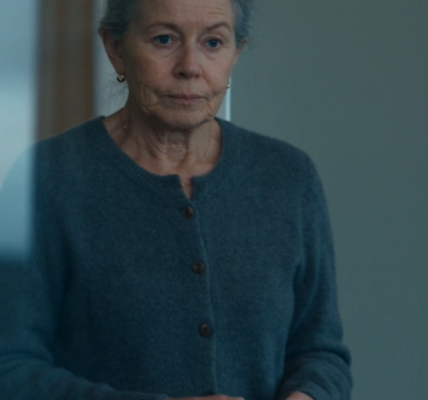
The owner was an old man—sixty, seventy, maybe older. He wore glasses on a chain and a faded cardigan. He remembered Natalie. He remembered the necklace.
“Strange,” he said, handing it over.
Natalie looked up. “What’s strange?”
“This necklace. It’s been here before.”
Natalie frowned. “What do you mean?”
“I’ve owned this shop for forty years. I remember every piece that comes through. This one—the pearls, the gold clasp—I’ve seen it before. Thirty years ago.”
“That’s impossible. My mother bought this necklace fifty years ago. It’s been in our family ever since.”
The pawnshop owner shook his head. He reached under the counter and pulled out an old ledger. He flipped through the pages until he found what he was looking for.
“Here it is. March 1994. A woman brought it in. Same necklace. Same clasp. She pawned it and never came back for it.”
Natalie stared at him. “Who was she?”
The old man looked at her. His eyes were kind, but sad.
“She looked just like you.”
—
**The Question**
What was Natalie’s mother hiding?
That is a question for another time.